Severe Weather resulting in Wash-outs and Flooding
|
|
|
|
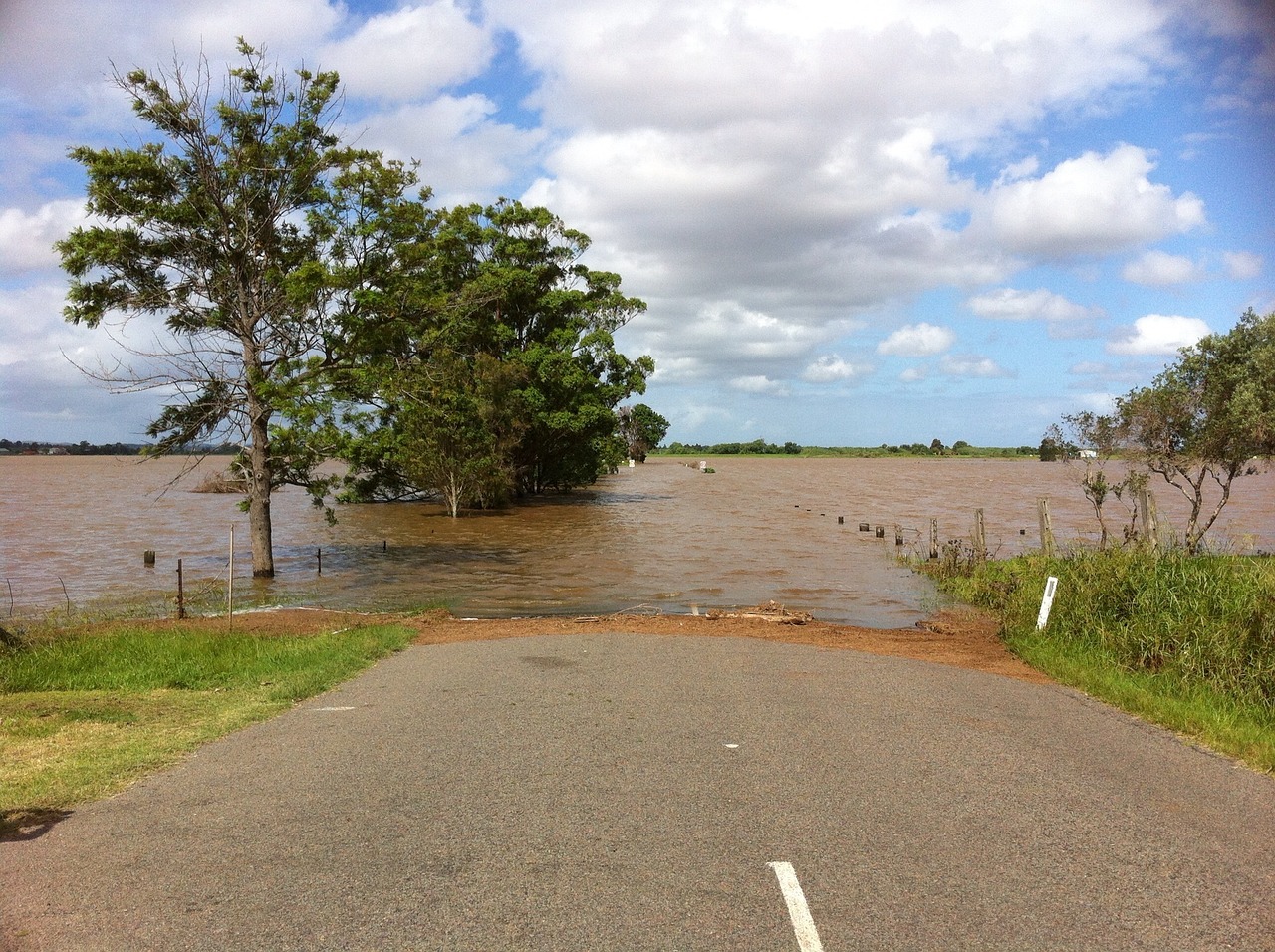
Severe weather, including record-breaking precipitation in June, has led to the wash-out of some bridges and roadways, which could adversely affect access to and travel around field research sites.
Washouts can be extremely hazardous. On August 18, 2011, a U of A field research supervisor, Suzanne Abele (ALES/Renewable Resources), passed away from injuries sustained in an ATV incident related to a road washout that had not been properly communicated to the research group
The weather has also lived up to the predictions forecasted in our June newsletter: there have been 24 tornadoes that have touched down in Alberta as of mid-July. For reference, usually Alberta sees 11 tornadoes between June and August.
What can you do to prepare for these hazards? Here are our suggestions:
|
- Monitor and prepare to modify your research plans if conditions change.
- Communicate with your collaborators (industry, trappers, community members) to ask if they have any reports of washouts and communicate these hazards to your teams.
- When camping, look around the camp to assess if any trees or tree branches look like they could fall in a sudden wind. Camp at a distance where, if a tree or branch falls, it will not hit your tent/ trailer.
- Consider postponing your work during severe weather events.
- Perform Go/No-Go field-level hazard assessments as conditions change; this may occur several times in one day.
- Monitor environmental conditions. Please check these handy apps or similar tools, depending on your geographic location.
|
|
|
Working on or Near Water Bodies
|
|
|
|
We have received a few Field Activity Safety Plans (FASPs) this year where researchers are conducting activities on rivers. As we know, many rivers have been flowing fast and are higher than usual.
Before conducting any activities on the river or research near a body of water, review this HSE Working on or Near Water Guideline.
Also, check with the municipality where your body of water is located to see if they have issued any advisories for people to stay off the river or cease river/lake activities. This occurred this year with the North Saskatchewan River within city limits. U of A researchers must follow warnings or orders issued by a government or municipal body.
|
|
|
Field Research Safety Training
|
|
|
|
If you plan on working in the field this year and your activities are assessed at a risk level 2 (medium) to level 5 (Extreme), you are required to take Field Research Safety Training (eLearning and the in-person sessions). Please register using the Google form. Certificates will not be issued if participants fail to attend. You are required to take the training every three years.
The following sessions will be held in 2-25 (Tamarack Room), Materials Management Building, unless indicated otherwise.
Tuesday, August 11, 9 am to 12 pm
Tuesday, August 25, 9 am to 12 pm
Thursday, September 17, 9 am to 12 pm
Tuesday, October 13, 9 am to 12 pm
Tuesday, November 3, 9 am to 12 pm
Tuesday, December 1, 9 am to 12 pm
Field schools: Instructors and other staff leading/teaching at field schools are required to take both online eLearning and in-person sessions. Field School participants are required to complete the online eLearning training but not the in-person sessions. The Field School Lead(s) will instead provide a detailed safety orientation to the group, including a review of the hazard assessment and controls, emergency response plan, daily safety briefings, and Go/No-Go tool. See HSE Requirements for Field Schools and Field Trips.
|
|
|
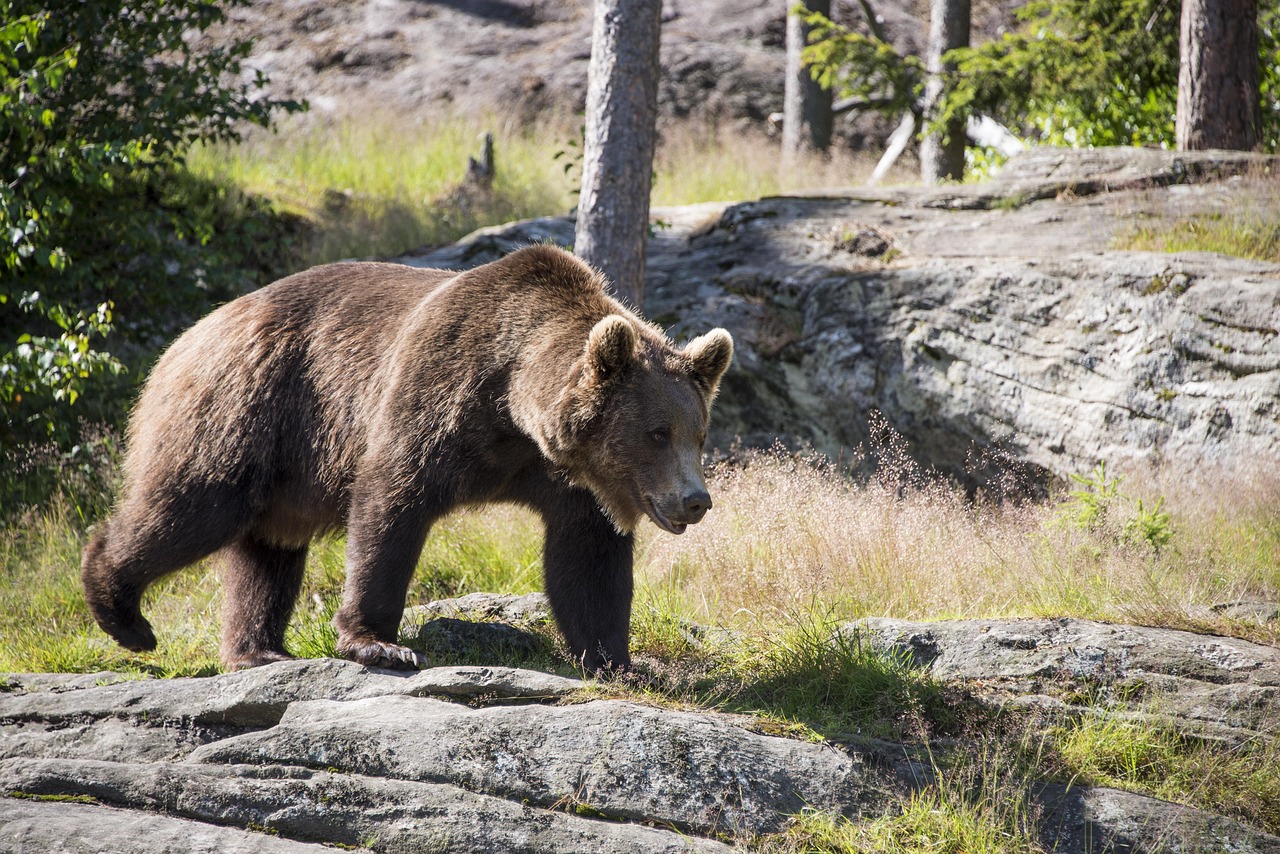
Researchers have reported encounters with bears and cougars recently.
Please be vigilant and encourage communication about wildlife encounters in your Daily Field Safety Log Book meetings. An encounter that a researcher might have avoided yesterday could mean preventing an encounter the next day. If there is a close encounter, report it through the U of A incident reporting platform. Close encounters with wildlife could lead to a researcher having real concerns/fears about returning to the field. Reporting an incident will allow HSE to arrange for the University's Health Promotion + Wellbeing and Workplace Response Coordinator to reach out and provide support.
|
|
|
Supervising in other Provinces?
|
|
|
|
Are you researching in other provinces where you will be responsible for a work site or do you direct the work of others? Some provinces require you to take an approved course to familiarize yourself with the OHS legislation in that province. This training requirement is in addition to HSE's mandatory Supervising Safely.
Here are some links to provinces that require supplementary training:
Northwest Territories and Nunavut
Ontario
Provinces without a specific requirement usually set out general requirements for supervisors to be competent. While the laws may not dictate a single mandatory certificate, employers are legally obligated to ensure supervisors have the training, knowledge, and experience to direct work safely. HSE's Supervising Safely, as well as a general knowledge of the applicable province's legislation, would suffice.
|
|
|
Online Field Activity Plan Update
|
|
|
|
The Field Activity Safety Plan (FASP)/Field School Safety Plan (FSSP) is transitioning to an online smart form within the University of Alberta Safety Hub and is ready for trial. The FASP/FSSP Google Doc templates will be phased out by 2027.
Trial the online FASP/H-FASP/FSSP by filling out the form below.
|
|
|
Cash Prizes to Be Won: Post-Secondary Lab & Field Safety Video Contest!
|
|
|
|
The Alberta Education Health and Safety Association (AEHSA) has launched an exciting new and impactful initiative: the ‘Safety First for Students’ Video Contest. This contest offers a unique opportunity for students to think creatively and critically about their own well-being while spreading vital safety messages across the community. There is a category for post-secondary students with a theme of safety in the lab or in the field. The selected entry will win a minimum of $1,500 that they can put towards making their work safer. Enter the contest below. You will need to have your safety video ready to upload at the time of entry.
|
|
|
Severe Wildfire Activity in Northwest Territories, Ontario
|
|
|
|
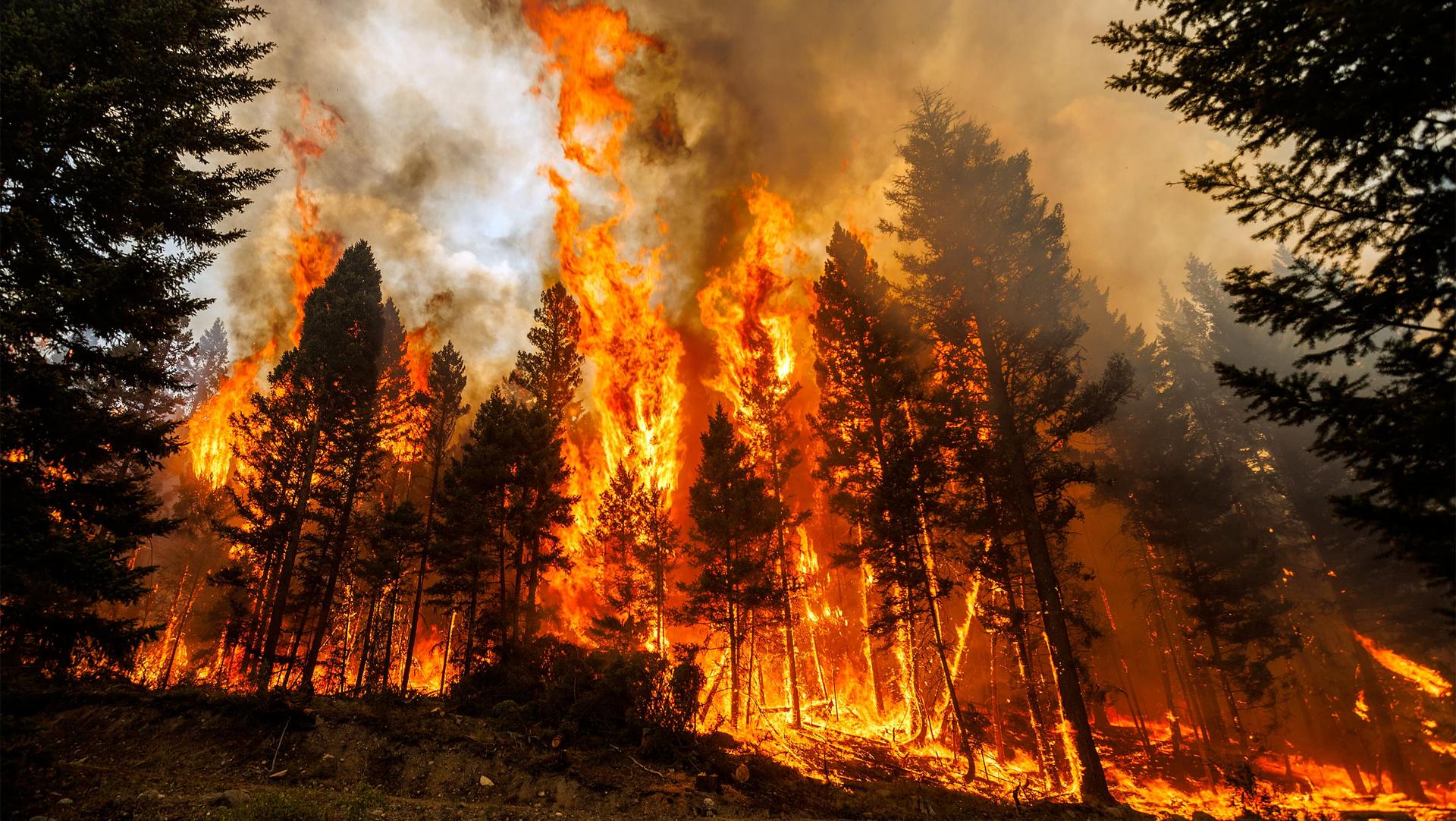
Although the wildfire activity in Alberta has been less severe than other years, the current Air Quality Index is evidence that there are many wildfires up north.
As of Monday, there are 203 wildfires in the Northwest Territories 196 of them are out of control. Nearly 200 wildfires are burning across northern Ontario. To date, these fires have caused the evacuation of nearly 1800 residents.
Make sure to check that there are no evacuation alerts/orders for the region of your research activity. For example, see this bulletin from NTof the areas under evacuation or evacuation alert. 511 Ontario will show whether there are road closures.
In addition to the above links, other useful sites are:
Although the wildfire activity in Alberta has been less severe than other years and at the time of the release of this newsletter, no fires out of countrol, one has to look to the Air Quality Index to see that there are many wildfires up north.
As of Monday, in the Northwest Territories, there are 203 wildfires fires and 196 out of control. In Ontario there were nearly 200 wildfires burning across northern Ontario, many of which were out of control causing the evacuation of nearly 1800 residents.
Make sure to check that there are no evacuation alerts/orders for the region of your research activity. For example, see this bulletin from NT of the areas under evacuation or evacuation alert. 511 Ontario will show whether there are road closures.
In addition to the above links, we have some sites that are useful for those in other provinces within Canada below.
|
|
|
Remember, you can book short-term rentals with Transportation Services!
Please use Transportation Service Registration System. Even though there is a message that rentals of less than seven days will not be honoured, they will allow you to book at this time. If researchers have any specific questions, they can reach out via email to vehinfo@ualberta.ca or call 780-492 -1920.
|
|
|
|
|
Wilderness First Aid Certification
For those working in remote areas (more than 40 minutes from EMS), we suggest Wilderness First Aid or Advanced First Aid.
We won't be organizing another course until the fall but those wanting a course before can book through a third party provider such as
Haskin Canoe
Rocky Mountain Adventure Medicine
Yamnuska
|
|
|
|
|
|
Driver Training/Authorization
HSE Fleet Safety Advisor, Jeff Brady (825-963-0613). provides driver training/evaluations and trailer training. Book your appointment early to avoid the spring rush. Call or email Jeff to set up this training and become a U of A authorized driver.
|
|
|
|
|
|
FRO Equipment Rental Program
|
The Field Research Office rents satellite phones, Garmin GPS with inReach capabilities, first aid kits, and AEDs at cost-recovery prices. We have a limited number of phones activated, so please give us at least 48 hours notice.
Rental prices are:
Sat Phones: $40/week plus usage fees
InReach Devices: $35/week (Unlimited data plan)
First Aid Kits: $10/week (no restocking fee)
AEDs: free
|
|
|
|
|
|
The South Campus Storage Lot (southwest of the Saville Centre) has storage containers and cages for storing combustibles, and most field equipment is stored there.
All users of the lot must request access online.
If you discover that your equipment was stolen or damaged, please submit the insurance claim here.
|
|
|
|
|
|
Field Research Office
Website
2-10 Materials Management Building
Edmonton, AB, Canada T6G 2R3
HRHSE
Email: fieldoff@ualberta.ca
W 780-492-8981
|
|
|
|
|