2026 Field Skills Day - A Success
|
|
|
|
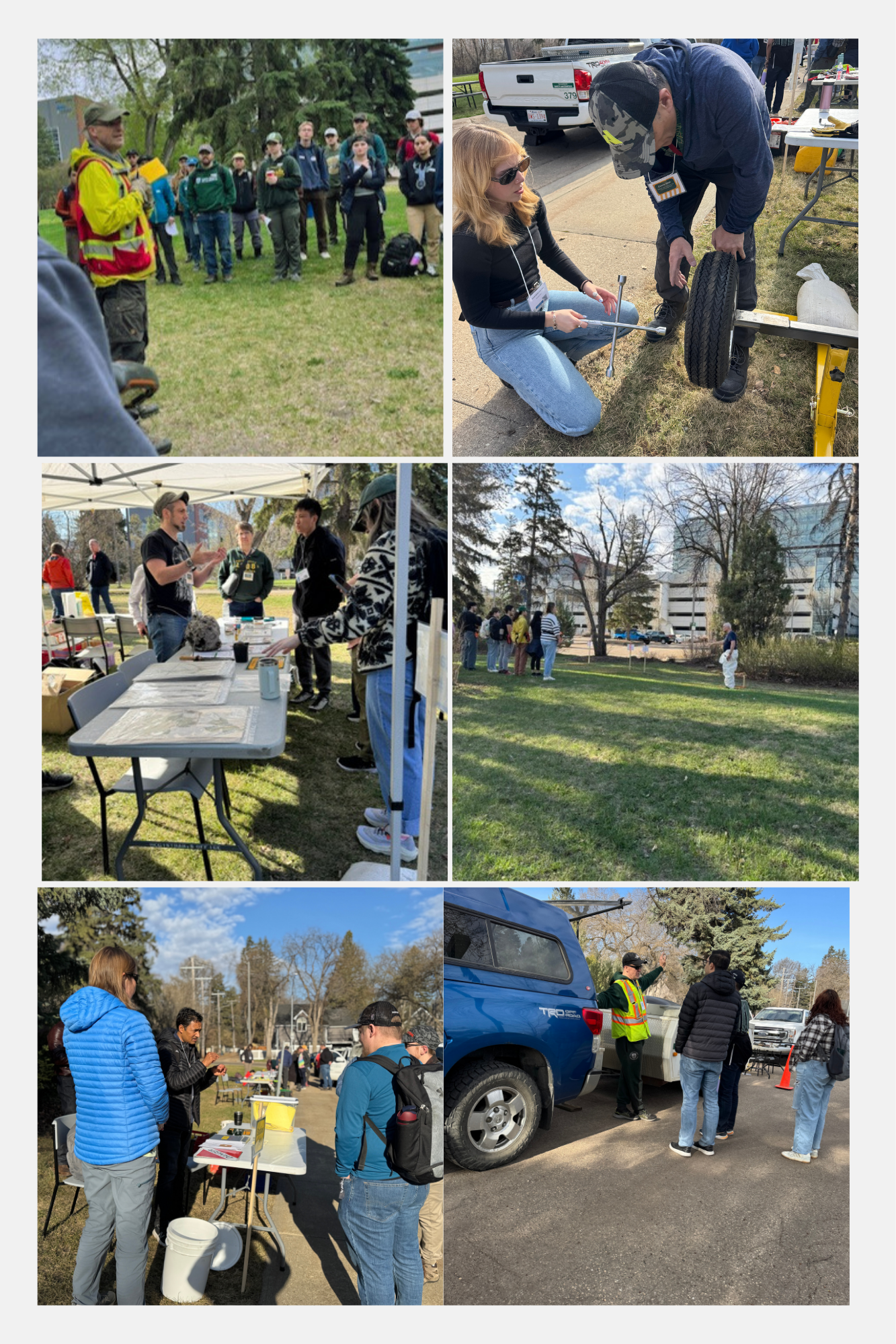
Field Skills Day 2026 was held on Thursday, May 7. Over 100 researchers participated in either a half- or full-day session, choosing specific stations to learn the skills needed before heading into the field. Thanks to the 34 instructors and volunteers who gave their time to make the event successful.
Thanks to Health, Safety + Environment for contributing funds for the event and co-sponsoring the food truck. Thanks to the Faculty of Science for providing the breakfast items and Dahrouge Geological Consulting Ltd. for generously contributing funds towards the event as well as donating the great door prizes!
If you weren’t able to attend the event, or would like a bit of a refresher, information sheets referenced at each station are available here.
|
|
|
|
Results from the H2S Survey
|
|
|
|
We had very few responses to the H2S survey asking for feedback on Alberta Wellfinder. Those that responded said that they either collaborate with oil and gas companies to access sites, have other ways to locate H2S gas wells, have few potential sites where this applies or would be willing to pay for an individual subscription to Alberta Wellfinder. The Field Research Activities Committee met and it was decided that with such small numbers of field workers requiring the Alberta Wellfinder App, it wouldn’t make sense to obtain an enterprise version, but for researchers to purchase an individual subscription.
The Alberta Wellfinder App is an excellent and easy way to find if there are H2S wells at your research sites. It will give you precise GPS coordinates for wells, facilities, and pipeline points, one-click coordinate copying, Google Maps and Apple Maps integration and will show active and abandoned H2S wells by plotting these on a map. Individual subscriptions start at $22.00/month and you are able to suspend the license over months that you do not use.
The University of Alberta currently has an H2S Code of Practice but at this point, it addresses on-campus concerns. This will be amended in the near future to include off-campus activities as well. If you are working in the field and anticipate H2S wells nearby, do a hazard assessment, manage the risks, take appropriate training and include it in your Field Activity Safety Plan before you go to the field site.
If you are working on a particular lease site and collaborating with the company that is involved in the operations, follow their controls, including training protocols to comply with access to the site.
Depending upon your hazard assessment and level of risk identified, you may be required to take an H2S Awareness or an H2S Alive Course. Outside providers offer both courses.
If you don't wish to pay for the application, a researcher can determine the GPS location of H2S wells in Alberta by consulting these two lists:
AER Products and Services Catalogue – Well Licence List for all of Alberta, AER Products and Services Catalogue – General Well Data
AER Products and Services Catalogue – ST37: List of Wells in Alberta
If you have questions related to these catalogues, email InformationRequest@aer.ca.
|
|
|
Zoonotic Pathogens and Field Research
|
|
|
|
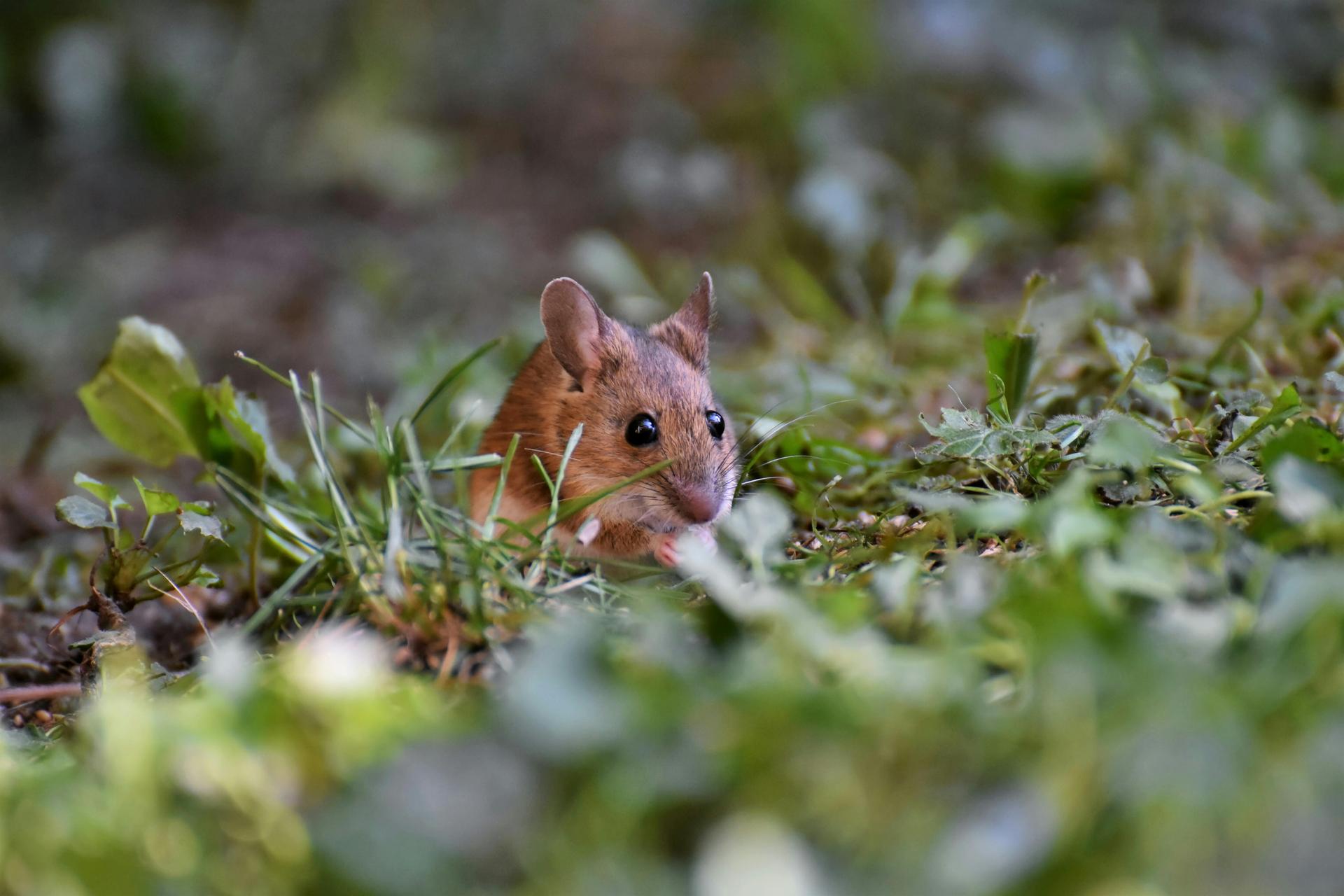
Any wild animal has the potential to harbour zoonotic pathogens capable of causing disease in humans. University of Alberta researchers who will be handling wild animals as part of their field research project must incorporate the information provided in this link into their hazard assessment and project procedures.
|
|
|
Field Research Safety Training
|
|
|
|
If you plan on working in the field this year and your activities are assessed at a risk level 2 (medium) to level 5 (Extreme), you are required to take Field Research Safety Training (eLearning and the in-person sessions). Please register using the Google form. Certificates will not be issued if participants fail to attend. You are required to take the training every three years.
The following sessions will be held in 2-25 (Tamarack Room), Materials Management Building, unless indicated otherwise.
Tuesday, June 16, 9 am to 12 pm
Tuesday, July 7, 9 am to 12 pm
Tuesday, July 21, 9 am to 12 pm
Tuesday, August 11, 9 am to 12 pm
Tuesday, August 25, 9 am to 12 pm
Thursday, September 17, 9 am to 12 pm
Tuesday, October 13, 9 am to 12 pm
Tuesday, November 3, 9 am to 12 pm
Tuesday, December 1, 9 am to 12 pm
For Field Schools: Instructors and other staff leading/teaching at field schools are required to take both online eLearning and in-person sessions. Field School participants are required to complete the online eLearning training but not the in-person sessions as the Field School Lead(s) will provide detailed safety orientation to the group, which includes a review of the hazard assessment and controls, emergency response plan, daily safety briefings, and Go/No-Go Tool. See HSE Requirements for Field Schools and Field Trips.
|
|
|
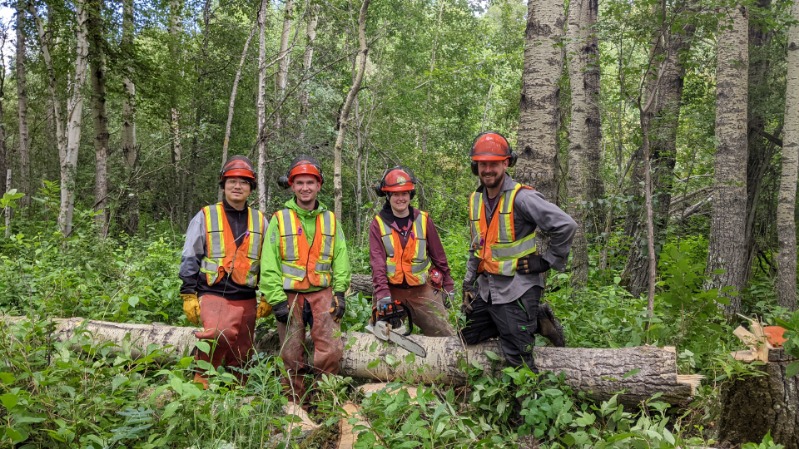
Under the Field Activities Risk Matrix, chainsaw activities are classified as either Level 3/Moderate risk (limbing and bucking) or Level 4/High risk (felling). In Alberta, see Part 34 of the Occupational Health and Safety Code that deals with forestry requirements. OHS legislation for chainsaw use differs depending on the province you are working in. For example, British Columbia (BC) has specific training requirements; see this note on BC's feller's certification requirements.
The Field Research Office has organized chainsaw safety certification for over 15 years through the Woodland Trainers Association. This training provides certification for chainsaw activities within Alberta only. If you are felling trees outside of Alberta, you are required to follow the legislation and directions in that province. We recommend that researchers who are planning to fell trees in BC contract this work to a trained, certified and experienced tree feller.
Once researchers receive the chainsaw certification, they should implement a way of tracking their chainsaw activities. Utilization of the daily safety log book is one way to track this activity; however, you could also set up a competency assessment tracking sheet.
Additional Resources:
Training and Competency Program
|
|
|
Supervising in other Provinces?
|
|
|
|
Are you researching in other provinces where you will be responsible for a work site or do you direct the work of others? Some provinces require you to take an approved course to familiarise yourself with the OHS legislation in that province. This training requirement is in addition to HSE's mandatory Supervising Safely.
Here are some links to provinces that require this training:
Northwest Territories and Nunavut
Ontario
Provinces without a specific requirement usually set out general requirements for supervisors to be competent. While the laws may not dictate a single mandatory certificate, employers are legally obligated to ensure supervisors have the training, knowledge, and experience to direct work safely. HSE's Supervising Safely, as well as a general knowledge of the applicable province's legislation, would suffice.
|
|
|
Online Field Activity Plan Update
|
|
|
|
The Field Activity Safety Plan (FASP)/Field School Safety Plan (FSSP) is transitioning to an online smart form within the University of Alberta Safety Hub and is ready for trial. The FASP/FSSP Google Doc templates will be phased out by 2027. Click the button below to register for the trial.
|
|
|
Cash Prizes to Be Won: Post-Secondary Lab & Field Safety Video Contest!
|
|
|
|
The Alberta Education Health and Safety Association (AEHSA) has launched an exciting new and impactful initiative: the ‘Safety First for Students’ Video Contest. This contest offers a unique opportunity for students to think creatively and critically about their own well-being while spreading vital safety messages across the community. There is a category for post-secondary students with a theme of safety in the lab or in the field. The selected entry will win a minimum of $1,500 that they can put towards making their work safer. Enter the contest below. You will need to have your safety video ready to upload at the time of entry.
|
|
|
Update on Active Wildfires
|
|
|
|
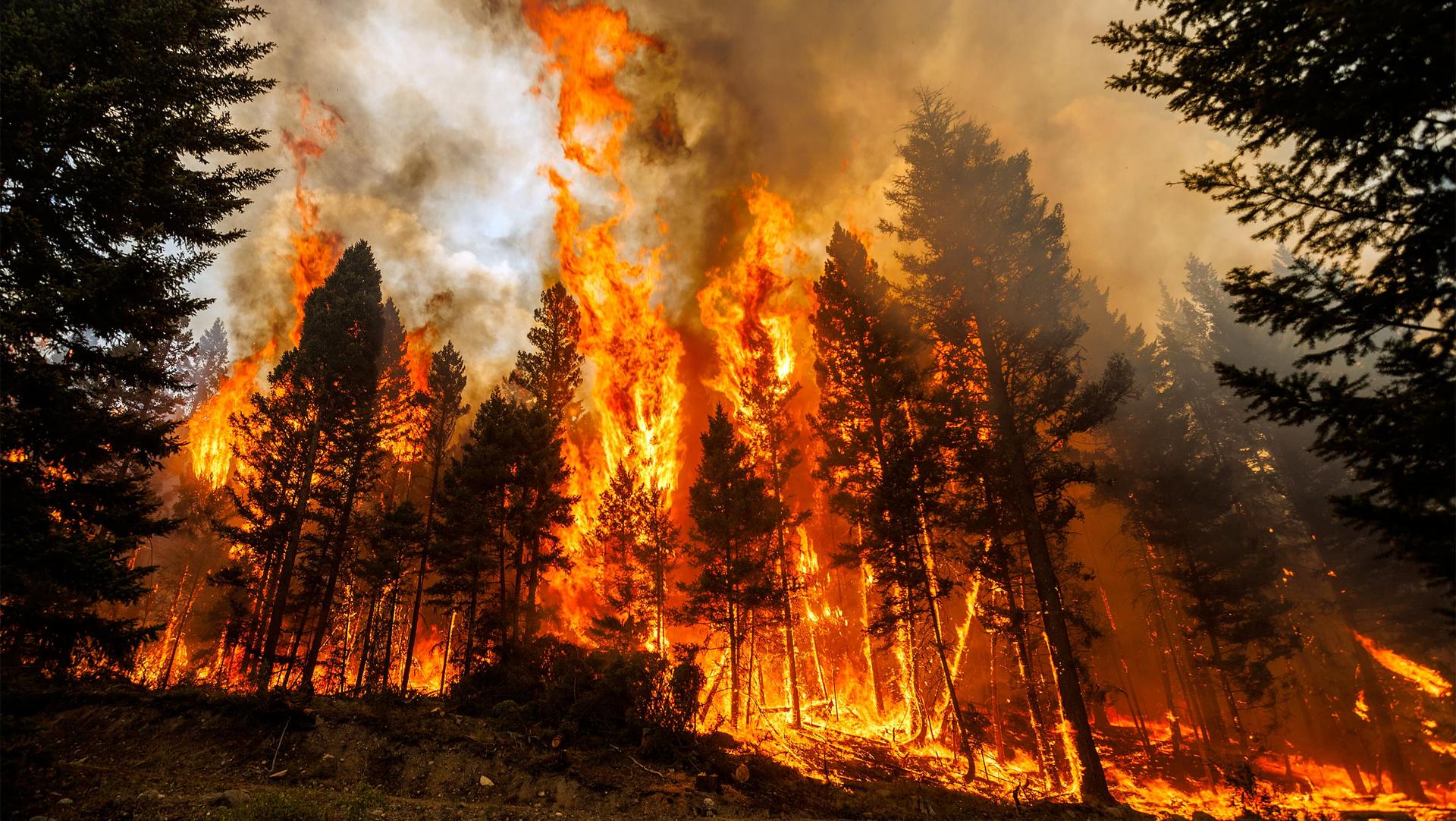
As of the release of this newsletter, there are 22 active wildfires in Alberta. A reminder that groups should consult the Wildfire Map for the area they will be working/traveling. The Alberta Wildfire map is adding features on a regular basis. The map now includes mutual aid wildfires and includes grass fires around rural towns and hamlets, which have required evacuation alerts. Fire bans are also available from the same map, just a different layer. Due to the lack of precipitation in May, the province has numerous fire bans. Researchers must check if there is a ban in the area of their research and abide by all restrictions.
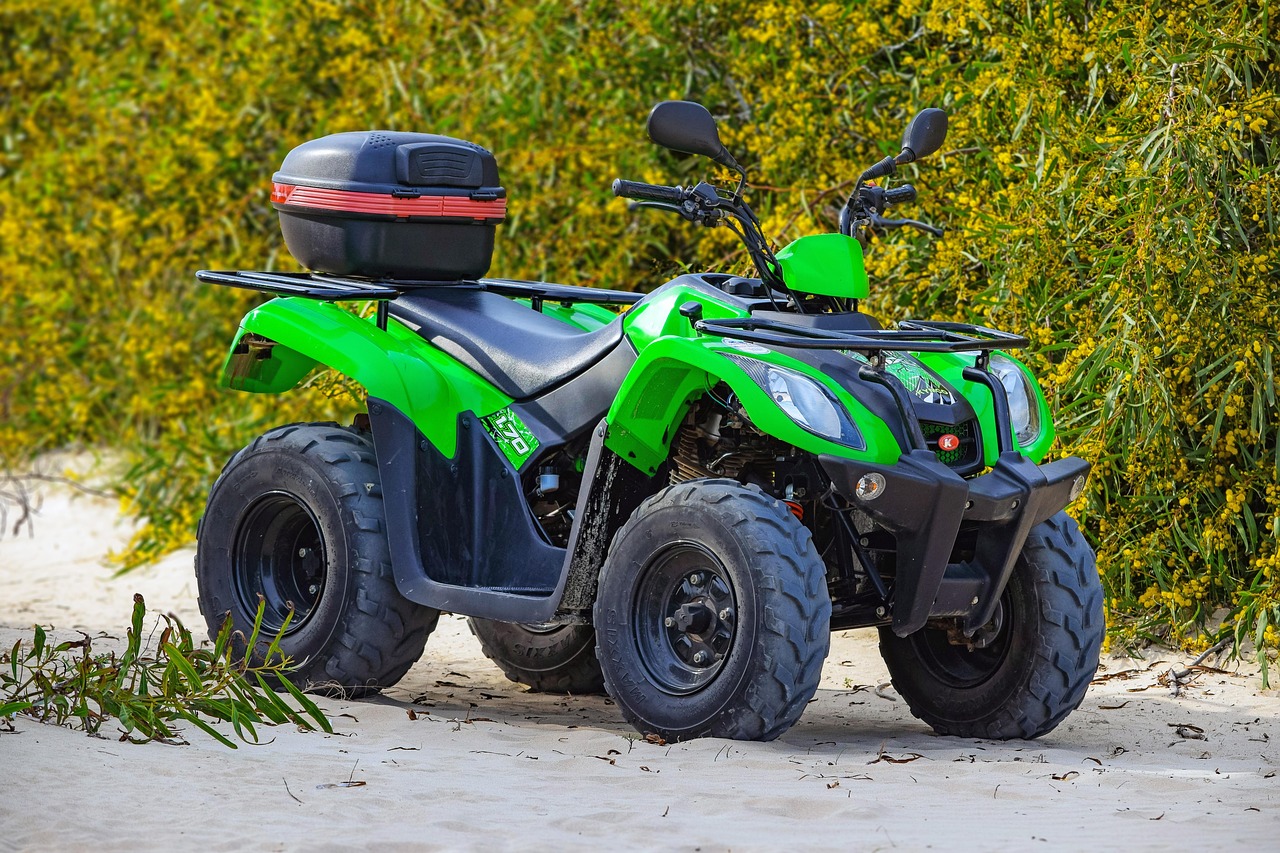
While there are no Ministerial Orders banning ATV use in Alberta at the time of writing, users of ATVs must take steps to keep ATVs/OHVs clear of debris or materials that could result in fires.
Make sure to check out these online resources for knowledge of the current state of affairs and for developing Emergency Response Plans:
Alberta Wildfire Status Dashboard One can subscribe through the Wildfire App to instantaneously get alerts of the changing status of the wildfires in the area of your research.
Alberta Emergency Alerts - Download the app and sign up for the alerts on your phone. Researchers may be prevented by the government from going into an area where an evacuation order is in place. There could be roadblocks set up preventing you from traveling through.
Ministerial Orders - Monitor these orders before going out to the field in case your area is affected.
Fire Danger Maps for Canada - The map shows areas from very low risk to very high throughout the country. With the rainfall that occurred in Alberta over the past 24 hours, we have seen the fire danger map change to low risk in many areas of the province.
Environment Canada Public Weather Alerts -This includes Air Quality warnings. These should be monitored as part of your control for weather hazards.
Environment and Natural Resources Canada Wildfire smoke, air quality and your health
511 Road Reports - Check the maps before heading out, looking for road closures and at the webcams for visibility issues. Putting a planned route of travel to and from your site into your FAP is recommended.
FireSmoke.ca - High resolution, interactive forecasts of hourly, daily average and daily maximum concentrations of PM2.5 smoke particles at ground level from wildfires assist with your hazard assessment and control.
With wildfires comes the need to check on the air quality when doing work outside. In that regard, please see HSE's Outside Air Quality Program.
|
|
|
Last year, Transportation Services discontinued the ability to rent vehicles for a short term (under seven days).
Some good news for field researchers: Transportation Services has reinstated its less-than-seven-day rental option effective immediately.
Please use Transportation Service Registration System. Even though there is a message that rentals of less than seven days will not be honoured, they will allow you to book at this time. If researchers have any specific questions, they can reach out via email to vehinfo@ualberta.ca or call 780-492 -1920.
|
|
|
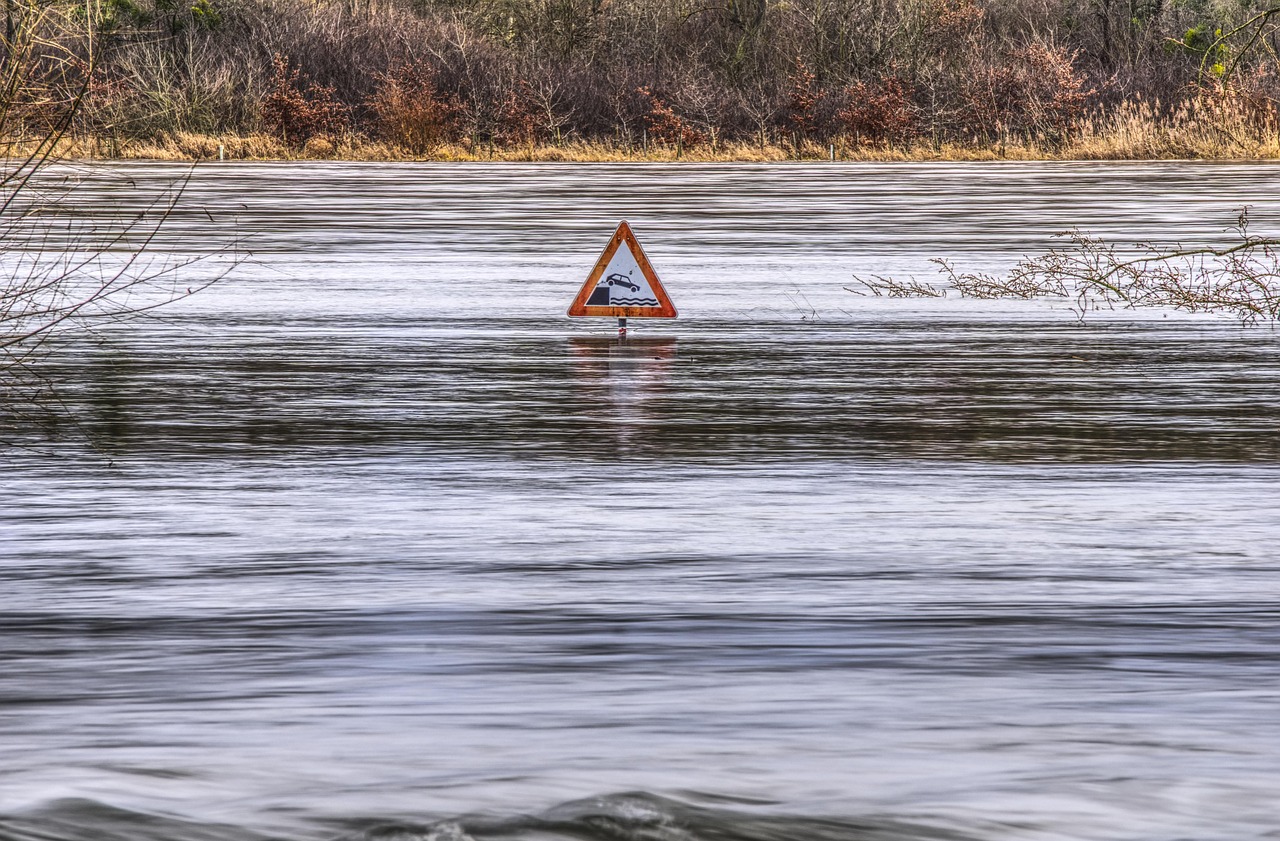
May through September is tornado and hail season in Alberta. When working in the field, be prepared to encounter severe storms, heat waves, hail, and flooding. In the last week, we received a report of a road/bridge washout in the Calling Lake area. With the last few days of steady rainfall, we expect that there may be more washed-out roads.
What can you do to prepare for these hazards? Here’s our suggestions:
Monitor and prepare to modify your research plans if conditions warrant.
Communicate with your collaborators (industry, trappers, community members) to ask if they have any reports of wash-outs and communicate these hazards to your teams.
When camping, look around the camp to assess if any trees or tree branches look like they could fall in a sudden wind. Camp at a distance where, if a tree or branch falls, it will not hit your tent/ trailer.
Consider postponing your work when severe weather systems occur.
Perform multiple Go/No-Go field-level hazard assessments in one day.
Ensure adequate monitoring of environmental conditions - please check these handy Apps or similar tools, depending on your geographic location.
Alberta Emergency Alerts (app)
Environment Canada Weather Alerts
Alberta 511
AMA Road Reports
Alberta Health Advisories (water, air quality)
Alberta Parks Advisories (includes road closures and bear warnings within the parks)
Alberta Rivers (App available)
|
|
|
|
|
Chainsaw Certification Course
When: June 25-27 (Th, F, Sat) - 8:30 am - 4:30 pm
Where: UAlberta Botanic Gardens (close to Devon)
Cost: Full 3-day course (including falling): $1,000.00 (may decrease depending upon participation)
2 day course (limbing and bucking): $750.00
1 day course (recertification and challenging exam): $350.00
|
|
|
|
|
|
Wilderness First Aid Certification
For those working in remote areas (more than 40 minutes from EMS), we suggest Wilderness First Aid or Advanced First Aid.
We won't be organizing another course until the fall but those wanting a course before can book through a third party provider such as
Haskin Canoe
Rocky Mountain Adventure Medicine
Yamnuska
|
|
|
|
|
|
ATV Training
HSE Fleet Safety Advisor arranged for two ATV training dates in May.
For those who still require training, please contact Jeff Brady (825-963-0613) to see if other dates will be organized. A minimum number of participants are required.
Where: UAlberta South Campus (west of Saville Centre, Livestock Pavilion) - Google Map Location
Cost: Free to University of Alberta Staff and Students
Pre-class requirement
All participants must take the ATV Training online
Participant requirements
All participants require a safe, registered and insured ATV, CSA-approved or DOT helmet, sturdy boots covering the ankle, long pants and coat/jacket. Participants should also bring their water bottle and bagged lunch/snacks.
|
|
|
|
|
|
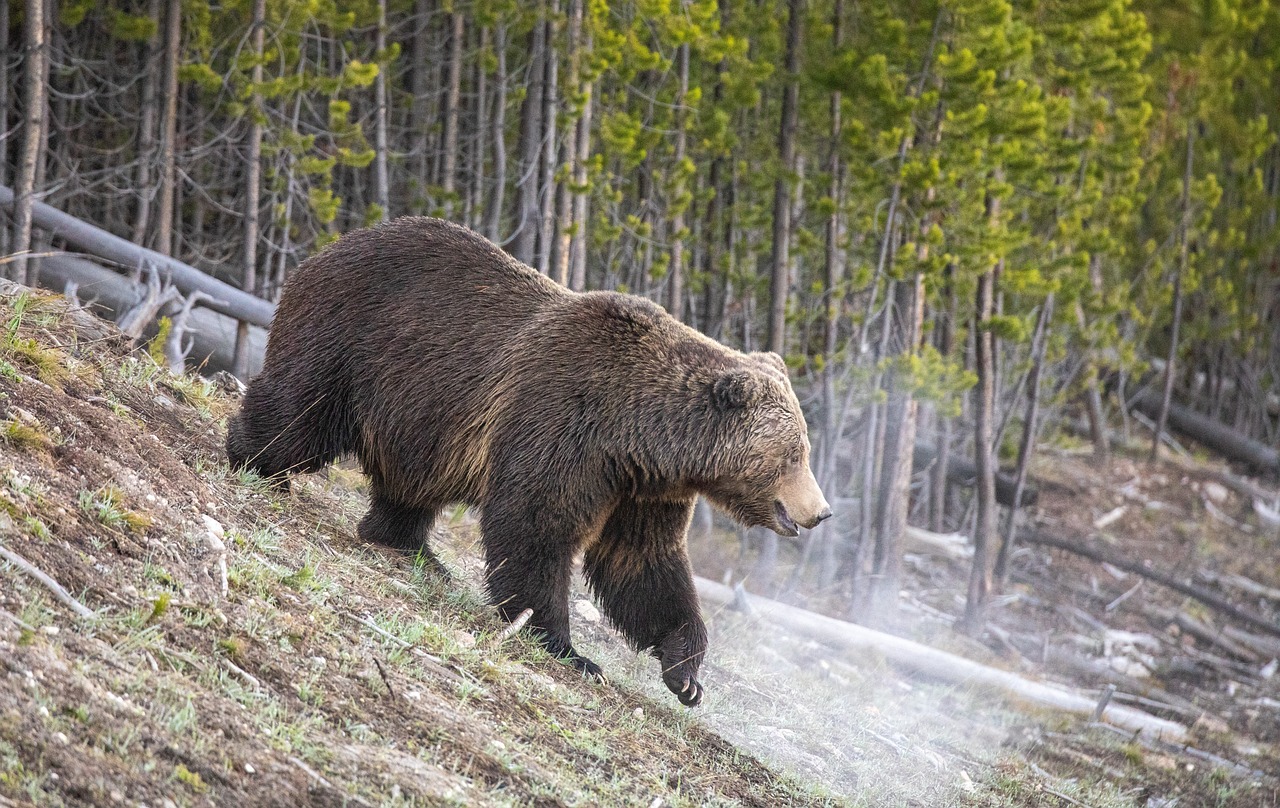
Bear Awareness (Bear Spray Hands-on Component)
Tom Hantos, Biological Sciences Safety Officer, has organized a few sessions (June 2 and June 4) for those researchers who weren't able to attend Field Skills Day.
Participants should monitor for respiratory symptoms and stay home if ill.
Canisters of inert training spray and spare holsters & belts will be provided.
In the meantime, review the Alberta BearSmart video just as a reminder.
You will receive an email on the day before your session with a reminder indicating the location of the training.
All sessions will run from 2:00 - 3:00 p.m. and proceed unless it is raining or the winds are very high. You will receive notice of cancellation by 1:00 p.m. on your scheduled date.
Please direct any session questions or cancellation notices to Tom Hantos (hantos@ualberta.ca).
Location: Southeast corner of the Zoology tower of the Biological Sciences Building (session map location outlined in red). Look for stakes with orange flagging.
Cost: Free to University of Alberta Staff and Students
Pre-class requirement
All participants must take the Bear Awareness eLearning training.
|
|
|
|
|
|
Driver Training/Authorization
HSE Fleet Safety Advisor, Jeff Brady (825-963-0613). provides driver training/evaluations and trailer training. Book your appointment early to avoid the spring rush. Call or email Jeff to set up this training and become a U of A authorized driver.
|
|
|
|
|
|
FRO Equipment Rental Program
|
The Field Research Office rents satellite phones, Garmin GPS with inReach capabilities, first aid kits, and AEDs at cost-recovery prices. We have a limited number of phones activated, so please give us at least 48 hours notice.
Rental prices are:
Sat Phones: $40/week plus usage fees
InReach Devices: $35/week (Unlimited data plan)
First Aid Kits: $10/week (no restocking fee)
AEDs: free
|
|
|
|
|
|
The South Campus Storage Lot (southwest of the Saville Centre) has storage containers and cages for storing combustibles, and most field equipment is stored there.
All users of the lot must request access online.
Please note that on the weekend of May 30-31, a seacan was broken into. Please go out to the lot and check on your equipment.
If you discover that your equipment was stolen or damaged, please submit the insurance claim here.
|
|
|
|
|
|
Field Research Office
Website
2-10 Materials Management Building
Edmonton, AB, Canada T6G 2R3
HRHSE
Email: fieldoff@ualberta.ca
W 780-492-8981
|
|
|
|
|