Wildlife Encounters when driving
|
|
|
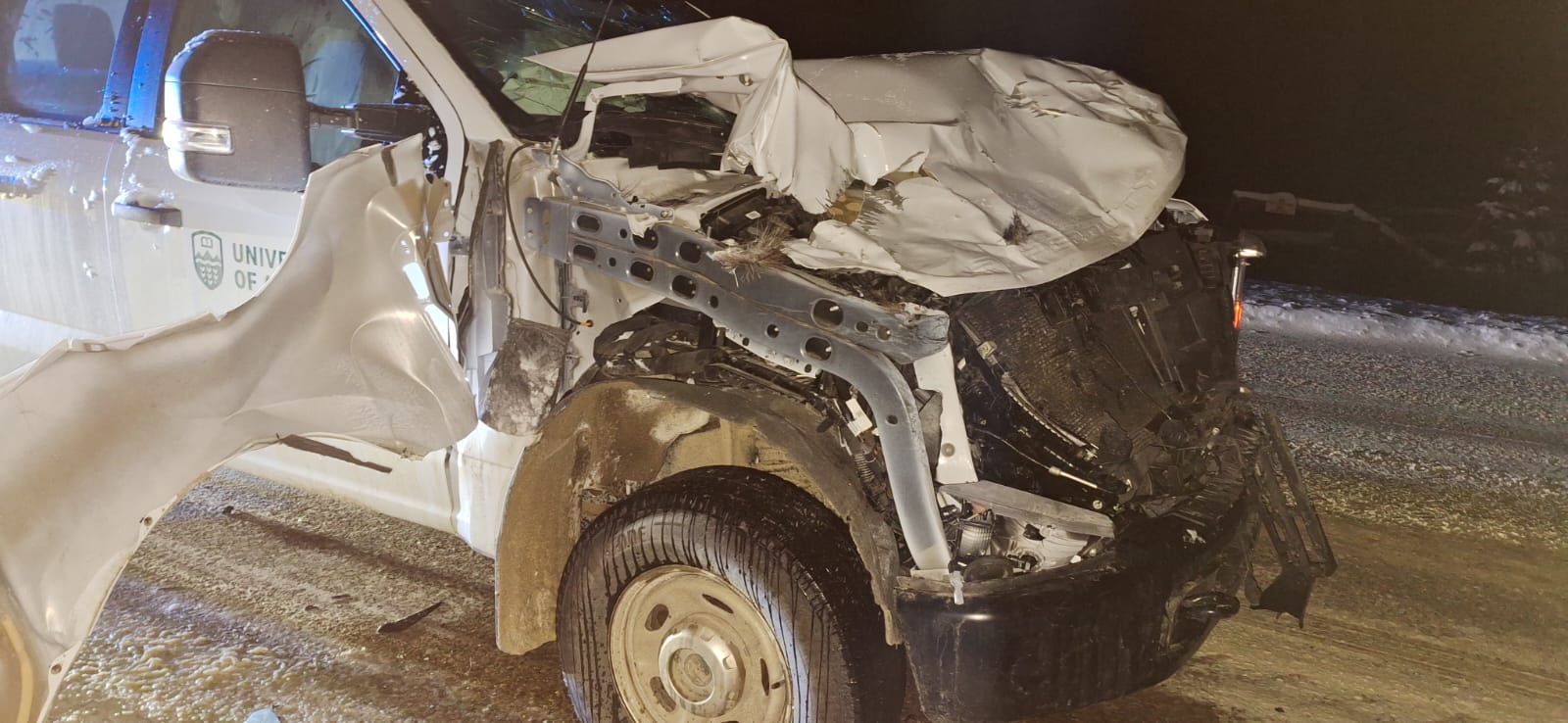
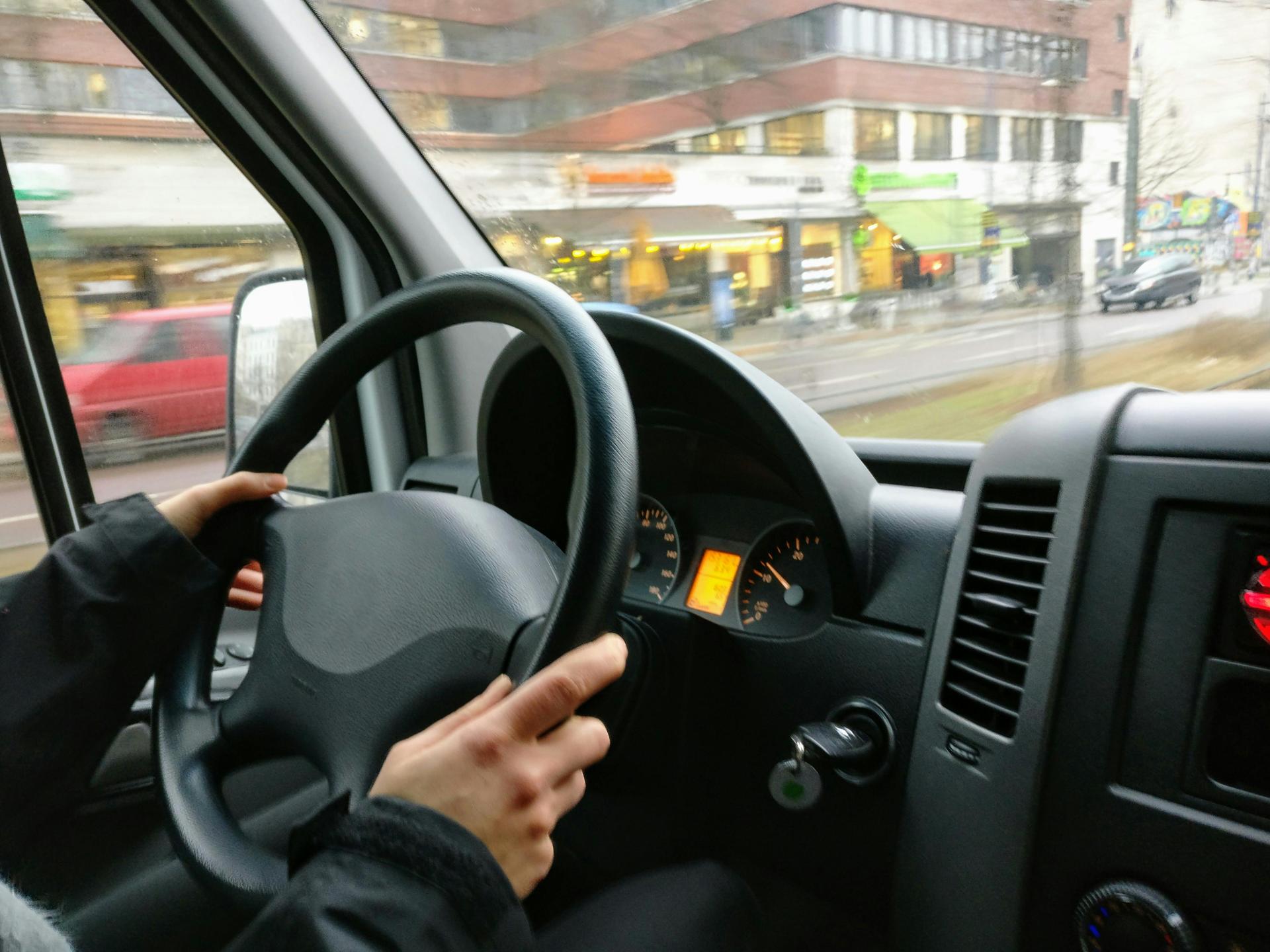
Recently, a field researcher encountered a moose while driving on an Alberta highway. The above photograph shows the damage to the vehicle. Thankfully there were no injuries sustained by the driver or passenger, but the vehicle was written off and unfortunately, the moose was fatally injured.
The research group’s Field Activity Safety Plan (FASP) has since been improved to include the hazard of collisions with wildlife when driving and the related controls.
Controls for this hazard could include:
● Reduce driving times at dawn and dusk if possible
● Scan ditches for wildlife that may be crossing
● Reduce speed if poor road conditions are present to decrease the likelihood of a collision
If this applies to your research, remember to include this hazard and associated controls in your FASPs and implement them accordingly when out in the field.
|
|
|
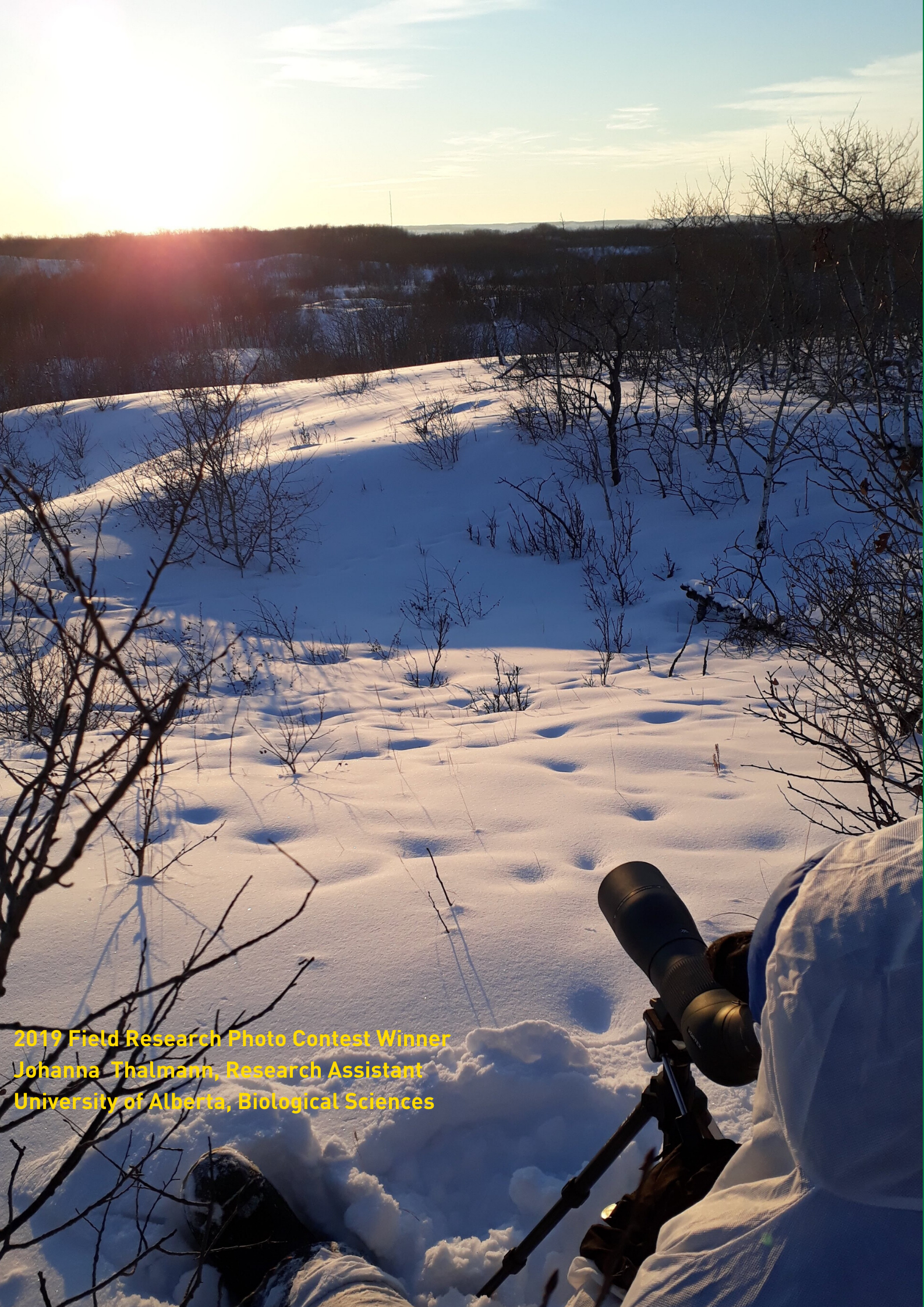
Some labs will continue to collect data through the winter. Remember, in preparing for winter fieldwork, do the following:
● Review your hazard assessments and make sure to identify and control all hazards arising from the change in weather, temperature extremes, etc.
● Check out the HSE Cold Stress Program to help with hazard management
● Have the Alberta Emergency Alerts app on your phone
● Check out Environment Canada's Public Weather Alerts before you go
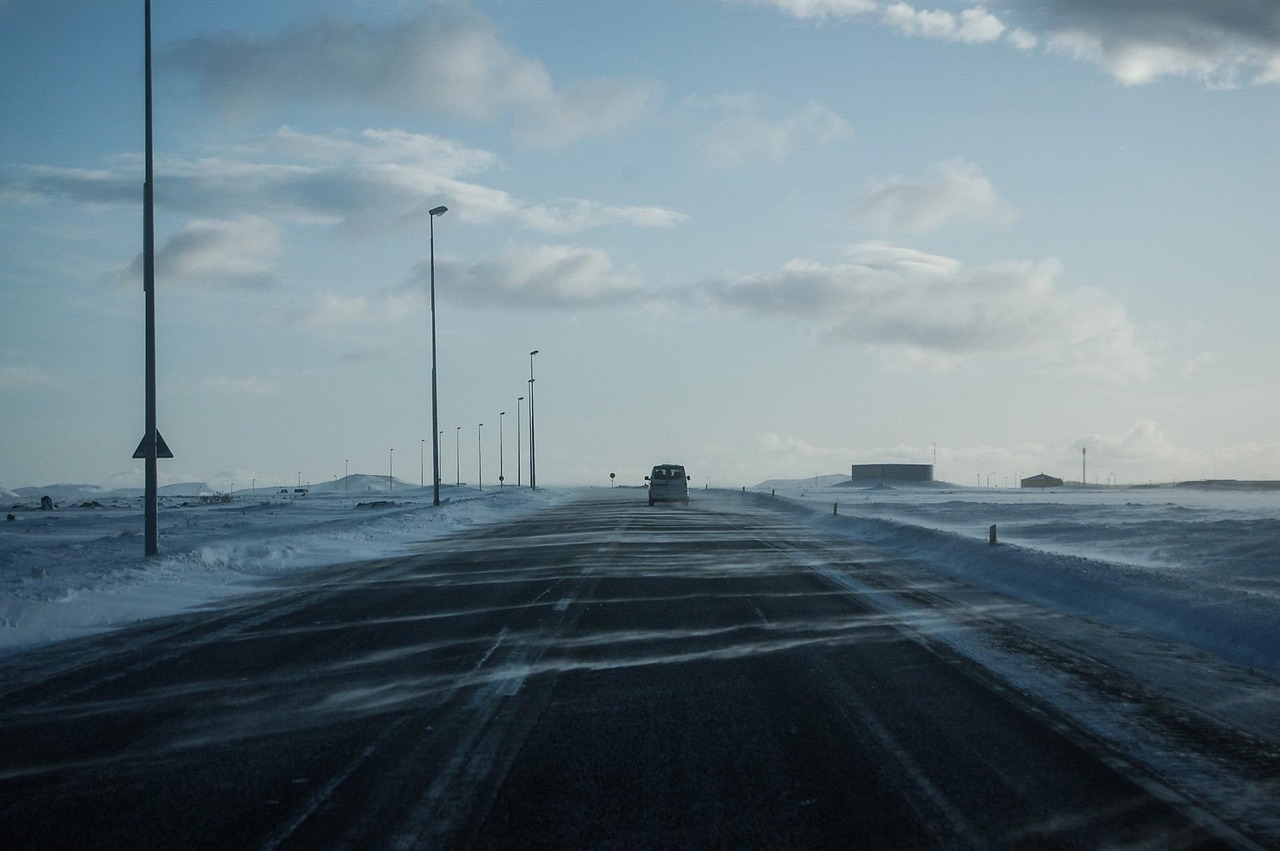
● Monitor the 511 Road Reports (or equivalent if working in another province/territory) for the duration of your winter field project
● Make sure your vehicle is winterized and has undergone a thorough maintenance check and any needed repairs. See our previous newsletter for tips on winterizing your vehicle.
● Prepare a Vehicle Winter Survival Kit.
|
|
|
With the cold weather now upon us, field researchers are reminded that if working outside in Canada, cold stress should be listed as a hazard in their Field Activity Safety Plan.
Health, Safety and Environment (HSE) developed the Cold Stress Program , which sets out the specific hazards and mitigation strategies for cold weather work. This program is part of the overarching Thermal Stress Program. It is important to note the thresholds for when to stop work.
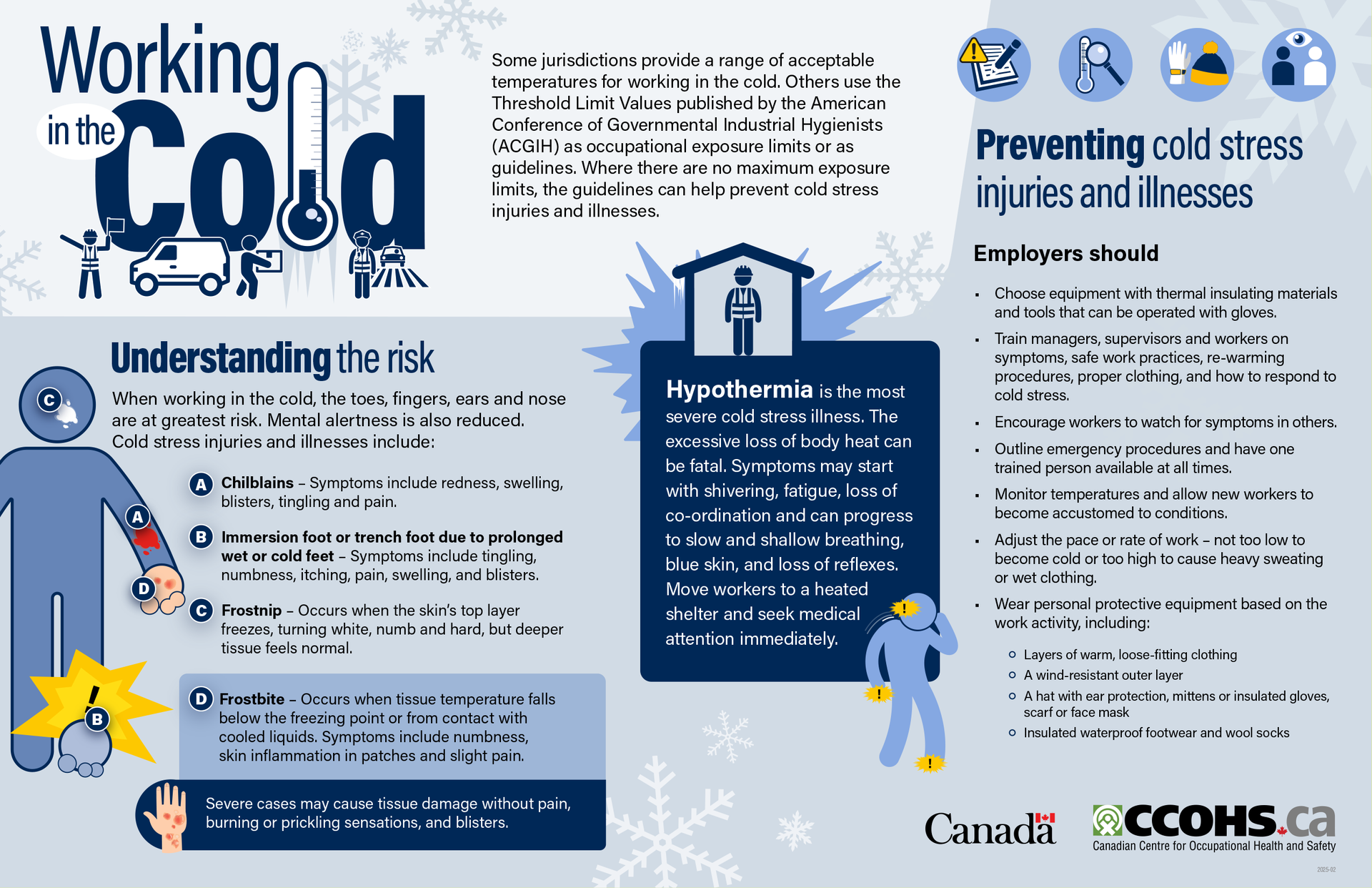
The resource below is from CCOHS and is an excellent infographic for a quick review that summarizes the signs and symptoms of frostnip and frostbite.
Other resources:
Alberta OHS Working in Extreme Cold
Worksafe BC Cold Stress
CCOHS Cold Environments
|
|
|
Field Research Safety Training
|
|
|
If you plan on working in the field shortly and your activities are assessed at a risk level 2 (medium) to level 5 (Extreme), you are required to take Field Research Safety Training (eLearning and the in-person sessions). Please register using the Google form. Certificates will not be issued if participants fail to attend. You are required to take the training every three years.
The following sessions will be held in 2-25 (Tamarack Room), Materials Management Building:
Jan 2026: Tuesday, January 13, 9 am - 12 pm
Feb 2026: Tuesday, February 10, 9 am - 12 pm
March 2026: Tuesday, March 3, 9 am - 12 pm
April 2026: Tuesday, April 7, 9 am - 12 pm
Tuesday, April 21, 9 am - 12 pm
Please note: Field School registrants are required to complete the online eLearning training but not the in-person sessions as the Field School Lead(s) will provide detailed safety orientation to the group, which includes a review of the hazard assessment and controls, emergency response plan, daily safety briefings, and the Go/No-Go tool.
|
|
|
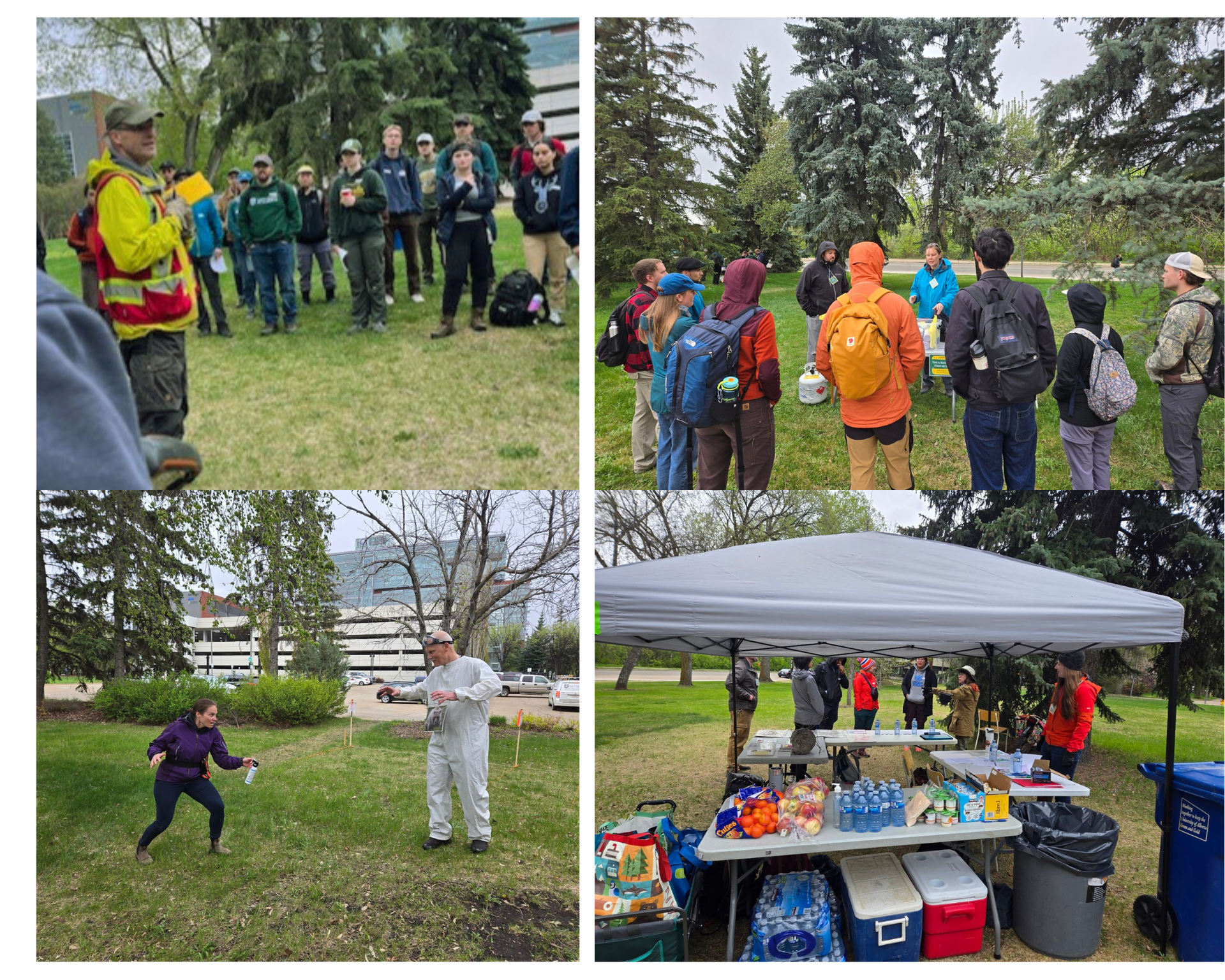
The first-ever Field Skills Day event was held on May 8, 2025. Due to the positive feedback received from the community, we are planning the 2026 Field Skills Day. A tentative date is May 7, 2026. More details to follow in the next newsletter. If you would like to volunteer to either lead or help with a skills station or volunteer generally, please fill out the form below.
|
|
|
|
|
Hands-on Firearms Training
Firearms training is mandatory for all researchers who use firearms. Training is required before any firearms are brought to the field.
For those researchers who have not taken this course in 2024 or 2025, they are required to take a two-day course (day one is in the classroom, day two is on the range).
If a researcher has already taken the two-day training, they are only required to take the range day.
Funding is available this year for researchers to take the training. Registration must take place by March 31 to take advantage of this opportunity.
|
|
|
|
|
Driver Training/Authorization
HSE Fleet Safety Advisor, Jeff Brady (825-963-0613). provides driver training/evaluations and trailer training. Book your appointment early to avoid the spring rush. Call or email Jeff to set up this training and become a U of A authorized driver.
|
|
|
|
|
Snowmobile Operator Training
Snowmobile Operator Training took place on January 9. It will not be offered again until next January. If you have snowmobile operations as part of your research and still require training, please book with a third-party provider located near your research sites, as the training will more closely mimic the geography of your site. Some providers are linked below:
Arctic Response
Alberta Safety Training
Pioneer Rentals
|
|
|
|
|
Wilderness First Aid
When: TBD, most likely April.
Where: 2-25 Materials Management Building/ Emily Murphy Park
Cost: $350.00
Pre-requisite: Intermediate First Aid
If you require a course before April, please check local providers, such as Haskin Canoe, Rocky Mountain Adventure Medicine, or Yamnuska.
|
|
|
|
|
FRO Equipment Rental Program
|
The Field Research Office rents satellite phones, inReach devices, first aid kits, and AEDs at cost-recovery prices. We have a limited number of phones activated, so please give us at least 48 hours.
Rental prices are:
Sat Phones: $40/week plus usage fees
InReach Devices: $35/week (Unlimited data plan)
First Aid Kits: $10/week (no restocking fee)
AEDs: free
|
|
|
|
|
The South Campus Storage Lot (southwest of the Saville Centre) has storage containers and cages for storing combustibles, and most field equipment is stored there.
All users of the lot must request access online.
The combination will be changed on January 9, 2026 and users will be advised of the new combination in an email.
Move Postponed: The storage lot move has been postponed at this time. If you have any questions, contact Peter Gegolick.
|
|
|
|
|
Field Research Office
Website
2-10 Materials Management Building
Edmonton, AB, Canada T6G 2R3
HRHSE
Email: fieldoff@ualberta.ca
W 780-492-8981
|
|
|
|